


Higgsfield AI Demonstrates Multi-Computer AI Workflow for Launch Videos
Higgsfield AI has demonstrated an AI-native motion workflow where Claude Opus 5.5 uses 12 computers through Computer Use and Higgsfield MCP to create visuals, animations and a fully editable After...

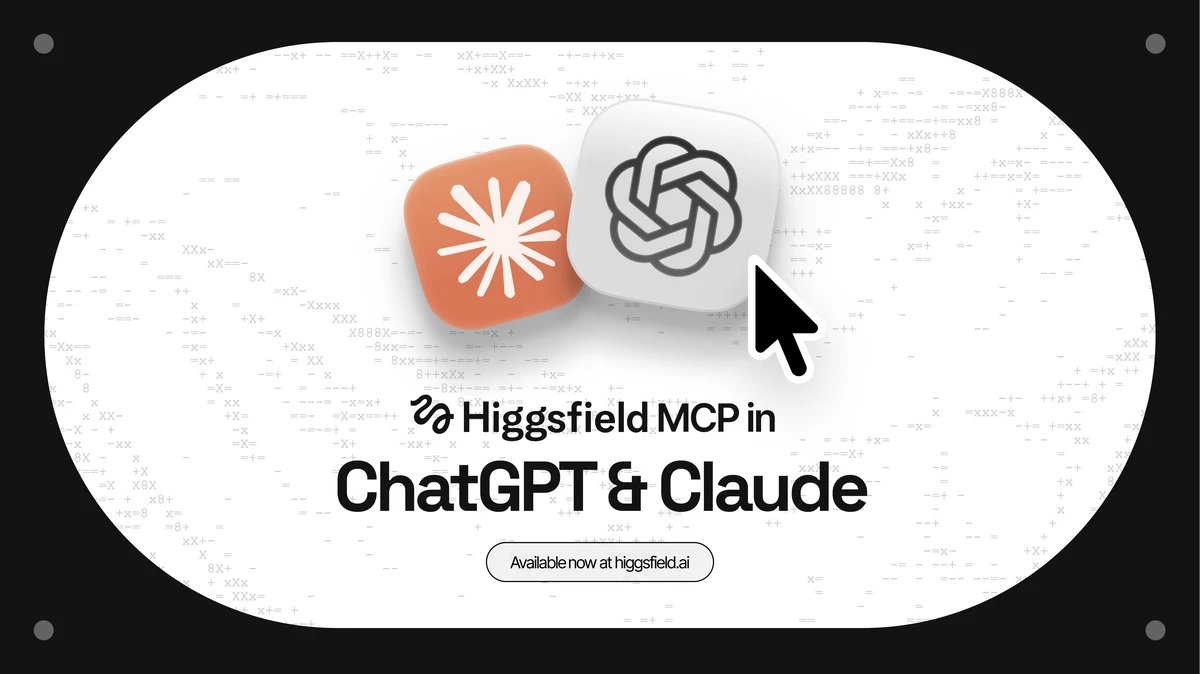
Higgsfield AI has showcased a new approach to AI-powered video production by giving Claude Opus 5.5 access to 12 laptops and asking it to turn a single prompt into a complete launch video.
According to Higgsfield, the workflow combines Claude’s Computer Use capabilities with Higgsfield MCP, allowing the AI to distribute tasks across multiple computers and interact with creative software. Rather than generating a finished video through one automated process, the system coordinates multiple machines to handle different parts of the production workflow.
The AI reportedly divided the workload across the available computers, created visual assets, built animations and ultimately assembled the production into a fully editable After Effects project.
That last part is particularly important for professional creative teams. Instead of receiving only a rendered video, editors can continue working with the underlying project and make changes to animations, timing, assets and other elements inside After Effects.
Higgsfield describes the experiment as an example of what an AI-native motion studio could look like. The concept moves beyond using AI as an individual creative assistant and toward AI coordinating multiple tools, computers and production stages.
For agencies and marketers, this could have significant implications. A future workflow could allow one prompt to initiate research, asset generation, animation, editing and delivery while humans focus on creative direction and approval.
The demonstration also highlights the growing importance of MCP (Model Context Protocol) and computer-use capabilities. AI agents are increasingly being connected to the software people already use rather than operating only inside isolated chat interfaces.
Akash Takes: The exciting part isn’t simply that AI created a video. It’s that one agent coordinated multiple computers and professional creative software to produce an editable project. If this workflow becomes reliable, AI could evolve from a creative assistant into a virtual production team—handling execution while humans focus on ideas, direction and quality control.
